The programme will be available soon.
Programme
The programme will be available soon.
Programme
Friday, 15 September, 2023: DAY 3
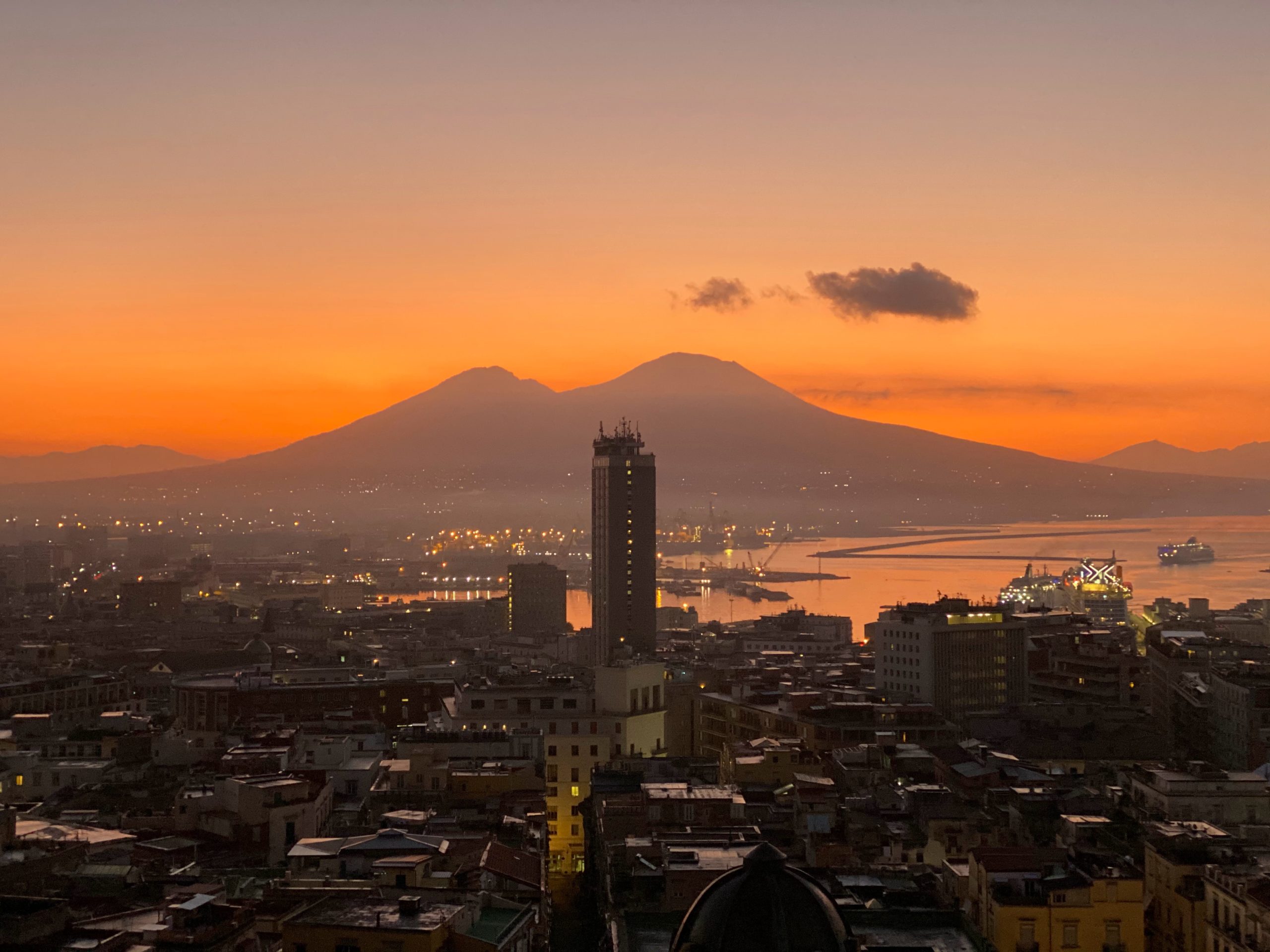
Portici è un comune italiano della città metropolitana di Napoli. È il primo comune italiano per densità di popolazione con circa 12.000 ab./km².Sorge alle pendici del versante ovest del Vesuvio e occupa una piccola porzione di territorio lungo la costa del Golfo di Napoli. Confina a nord col comune di San Giorgio a Cremano e con i quartieri di Napoli, San Giovanni a Teduccio e Barra; a sud e a est con Ercolano, mentre a ovest è bagnata dal mar Tirreno.
Portici possiede un piccolo golfo: il Granatello, il cui nome deriva dal fatto che anticamente, dalla Villa di Portici fino al Convento della Santa Maria, nel Settecento erano presenti molte piante di melograno.
A Portici sono presenti numerose ville che fanno parte del cosiddetto Miglio d’oro del settecento napoletano, tutte edificate da ricchi nobili partenopei che scelsero la zona per la bellezza dei paesaggi e per la salubrità dell’aria.
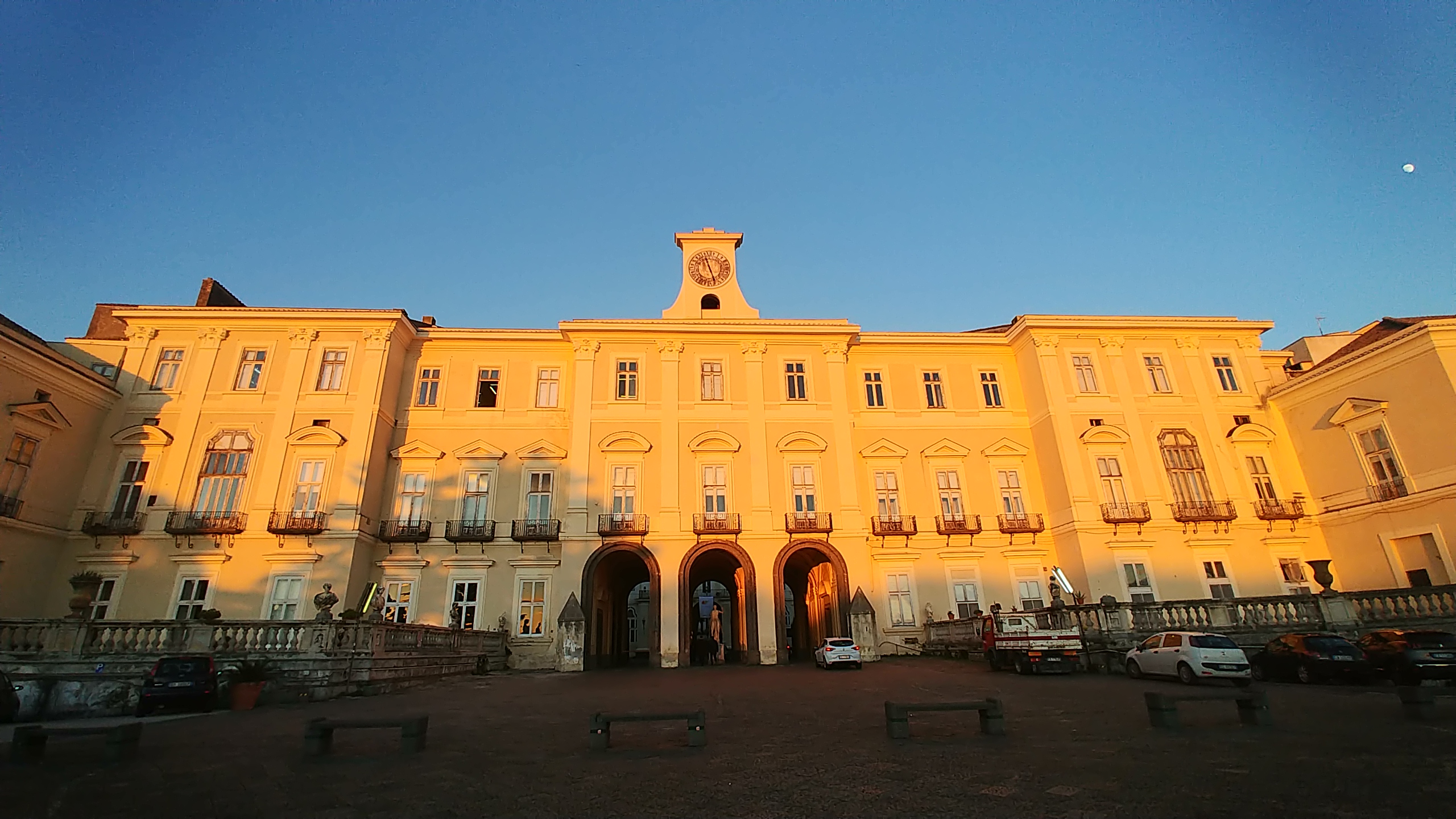
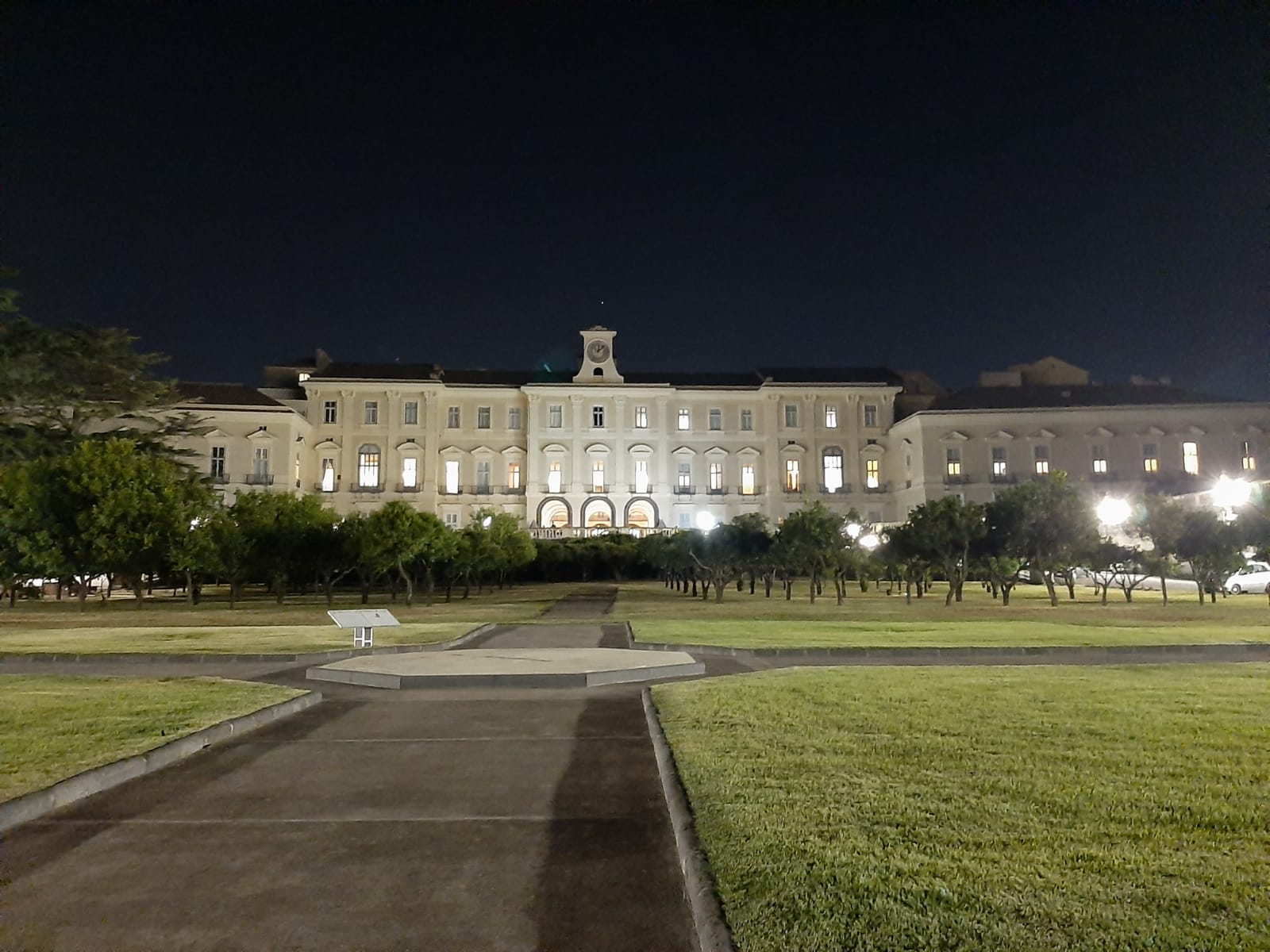
Il Dipartimento di Agraria dell’Università di Napoli “Federico II” ha sede nella prestigiosa Reggia di Portici, un edificio voluto da Carlo di Borbone, quando invitato dal principe di Elboeuf Emmanuele Maurizio di Lorena a trascorrere una giornata nel suo palazzo di Portici, si innamorò del luogo e decise di costruirvi una residenza estiva. La direzione dei lavori fu affidata al romano Canevari, e per decorare le sale furono chiamati pittori quali Giuseppe Bonito. Le sculture e le statue del parco, realizzate in marmo di Carrara, sono invece attribuite al Canart. I lavori della Real Villa terminarono nel 1742 e molte delle famiglie aristocratiche del tempo fecero a loro volta costruire ville nei dintorni, creando una singolare concentrazione di palazzi e giardini noti oggi come Ville Vesuviane, patrimonio culturale di grande rilievo. Nel corso degli anni la Villa subì varie modifiche: originariamente ideata su una pianta quadrata venne ampliata nel periodo francese con una intera nuova ala verso il mare ed una orientata verso il Vesuvio. L’edificio è caratterizzato da una superba facciata con ampie terrazze e balaustre. Un ampio vestibolo conduce al piano nobile con uno scenografico scalone lungo il quale si possono ammirare statue provenienti dall’antica Ercolano, da dove provengono anche altri elementi architettonici presenti nella fabbrica.
Programme
Thursday, 14 September, 2023: DAY 2
Programme
Wednesday, 13 September, 2023: DAY 1